Commodity
The Foundation of Global Trade
What are Commodity Investments?
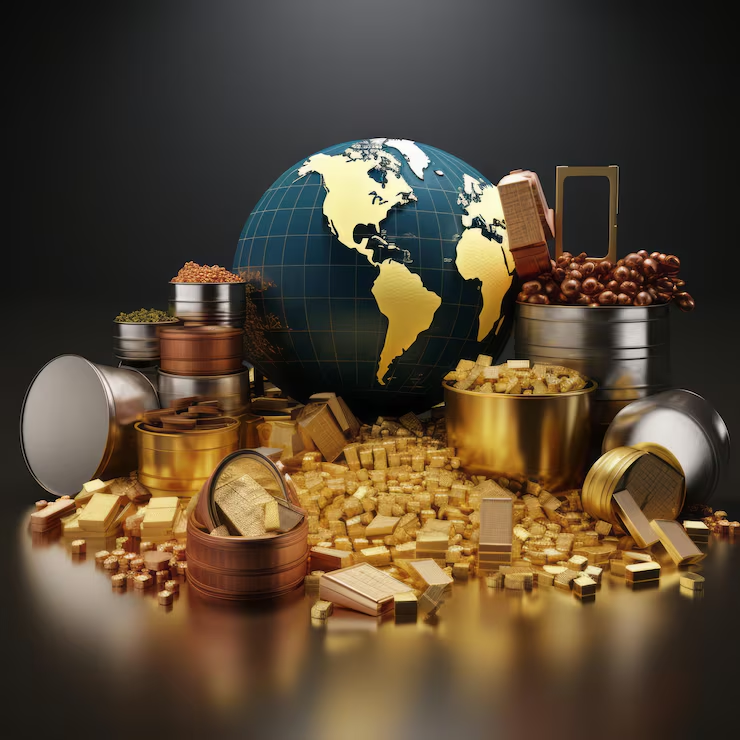
Commodity investments refer to trading or investing in physical goods like gold, silver, crude oil, natural gas, agricultural products, and metals that form the backbone of global trade and industry. Instead of directly purchasing these physical commodities, most investors participate through commodity derivatives such as futures and options on recognized exchanges like MCX (Multi Commodity Exchange) and NCDEX (National Commodity & Derivatives Exchange). Commodity markets provide opportunities for investors to diversify portfolios, hedge against inflation, and take advantage of global supply-demand dynamics.
Types of Commodity Investments
- Precious Metals: Gold, silver, and platinum - preferred for wealth preservation and inflation hedging.
- Energy Commodities: Crude oil, natural gas, and coal - reflecting global industrial and energy demand.
- Base Metals: Copper, aluminum, zinc, and nickel - widely used in construction, manufacturing, and technology.
- Agricultural Commodities: Wheat, cotton, coffee, soybeans, and sugar - dependent on climate, demand, and global trade flows.
Why are Commodities Important for Investment?
Commodities play a vital role in portfolio diversification because they often move differently compared to equities or bonds. For example, gold is traditionally seen as a "safe-haven" asset during times of market uncertainty, while energy commodities like crude oil reflect global economic demand. By including commodities in an investment strategy, investors can reduce overall portfolio risk and protect wealth against inflation. Additionally, commodity markets offer high liquidity and transparency, allowing investors to react quickly to global economic events, currency fluctuations, and geopolitical developments.
How Do Commodity Investments Work?
Commodity investments typically operate through futures contracts where investors agree to buy or sell a specific quantity of a commodity at a predetermined price and future date. These contracts are traded on regulated exchanges, ensuring standardization and transparency. Investors can also participate in options, exchange-traded funds (ETFs), and commodity mutual funds, which make commodity exposure more accessible. Prices of commodities are influenced by factors such as weather conditions, geopolitical tensions, global demand, supply chain disruptions, and currency movements, making them a dynamic asset class for both hedging and speculation.
Who Should Consider Currency Investments?
Currency investments are suitable for investors with an understanding of global economic trends, businesses with foreign exchange exposure, and traders seeking short-term opportunities. They are particularly relevant for high-net-worth individuals, corporates, exporters, importers, and institutions that need to hedge against currency risks. Retail investors can also participate through regulated derivatives markets, but it is important to note that currency trading carries higher volatility and requires disciplined risk management.
The Future of Currency Investments in India
With India's growing role in global trade and finance, currency investments are gaining prominence as an essential asset class. The expansion of exchange-traded derivatives, technological platforms, and regulatory clarity is making currency trading more accessible to investors. As the rupee increasingly integrates with global markets and India strengthens its position as a major economy, currency investments will play a vital role in hedging risks and unlocking opportunities. Looking ahead, greater investor awareness and evolving financial products are expected to position currency investments as a mainstream component of diversified portfolios.